M&M Automotive - Modesto, CA
Quality Repairs for All Your Vehicles
We provide premium services tailored to the diverse requirements of vehicles for business fleets or the public.
Call Us - 209.545.1715
About Us
THE BEST AUTOMOTIVE REPAIR SHOP FOR YOUR PERSONAL AND BUSINESS VECHILES
At M&M Automotive, we are more than just an auto repair facility; we are your trusted automotive partners for your everyday commuter, or your fleet of vehicles serving the area or consumers.
With a legacy of excellence spanning 14+ years, our commitment to providing exceptional products and services has made us a pillar in the local automotive community in Modesto, CA.
Working together
What we thrive to do is to make sure that everyone is taken care of and back on the road safely. One of the important things as well is making sure that our prices are reasonable for you.
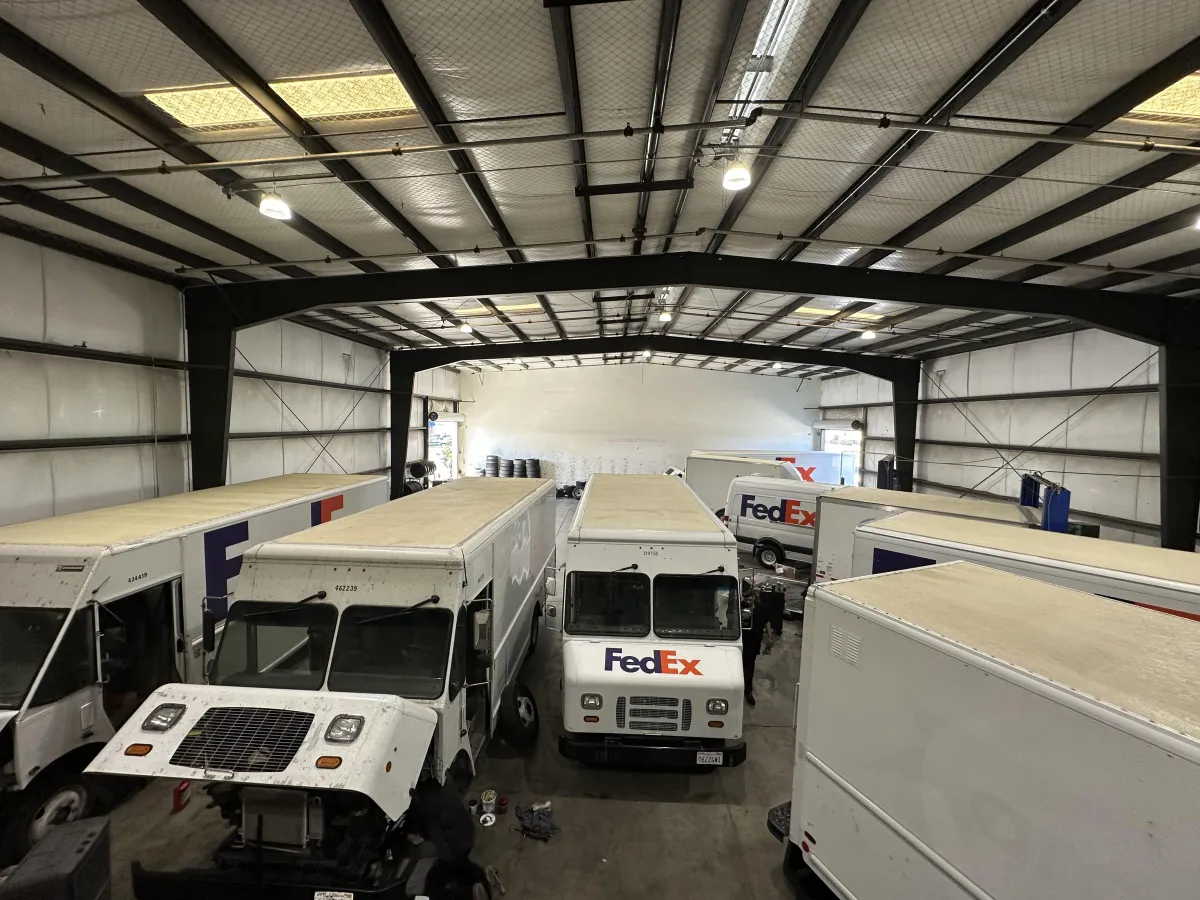
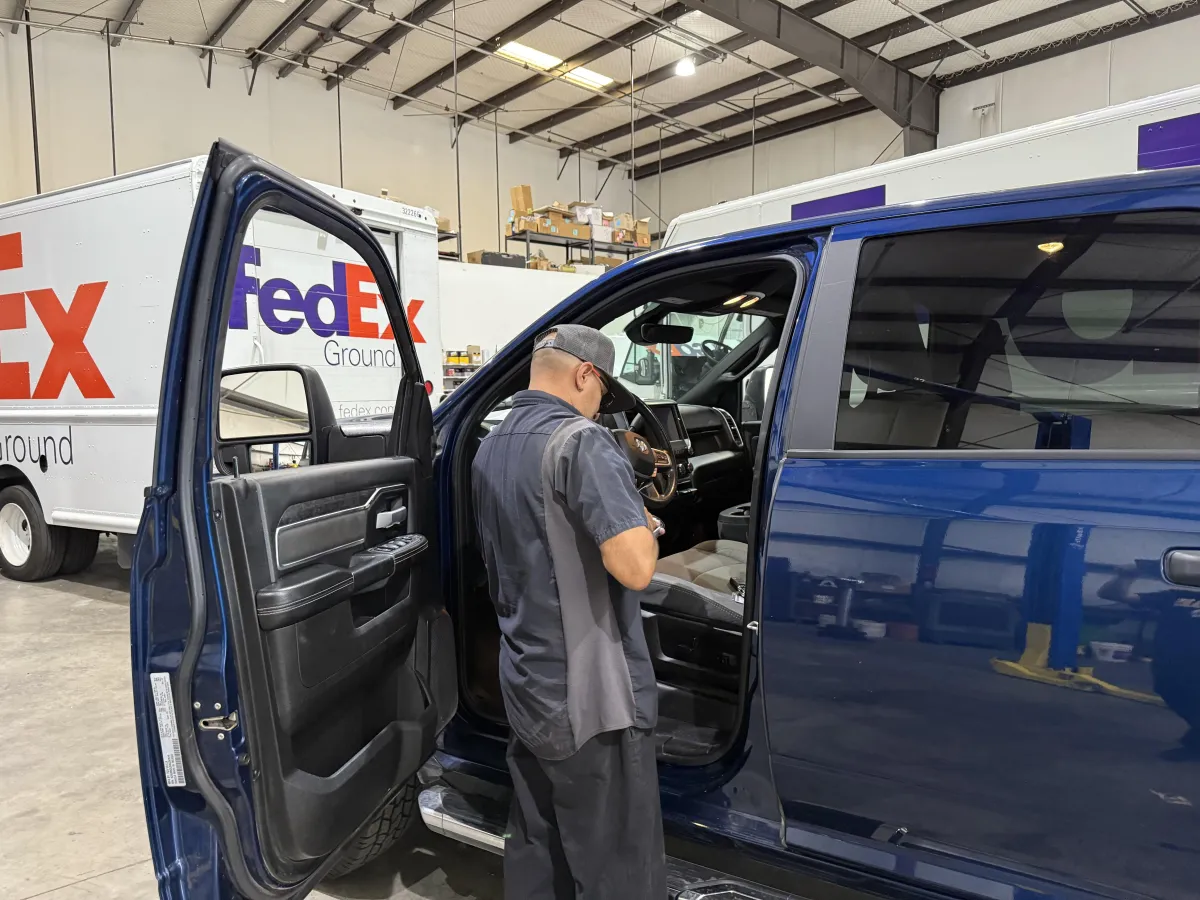
Providing the Best Quality
We make sure that every diagnostic procedure is thoroughly inspected and well maintained. Honesty is our policy providing the right issue to get fixed.
Our Services
Providing care and quality for your vehicle
Fleet Services & More
We specialize in providing top-notch fleet services tailored to meet the unique needs of businesses and commercial customers. We provide DOT inspection services with the provided care for your fleet. We also provide mobile repair at any location near us to help you get back on the road.
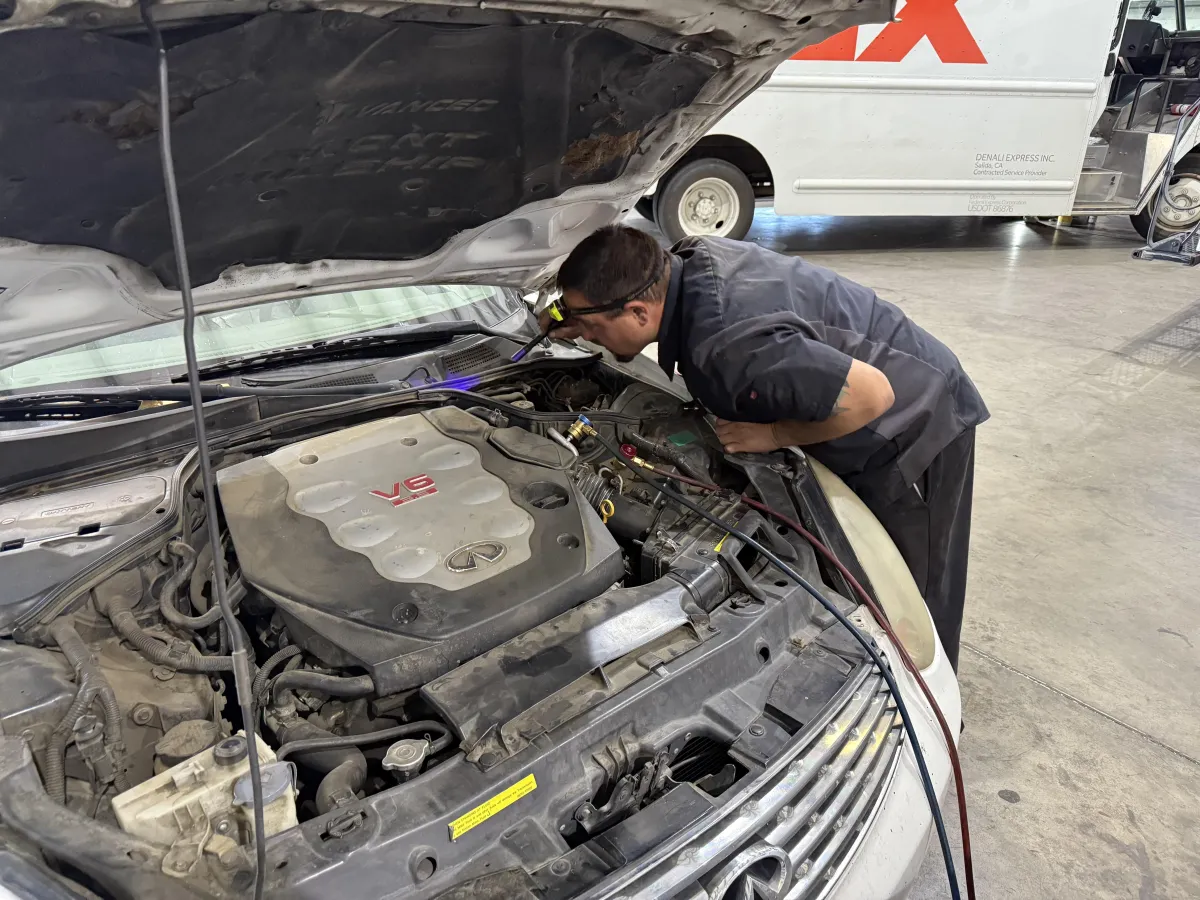
AIR CONDITIONING REPAIR
We provide certified HVAC mechanics to help you get your cooling system back up and running. With the proper tools and equipment.
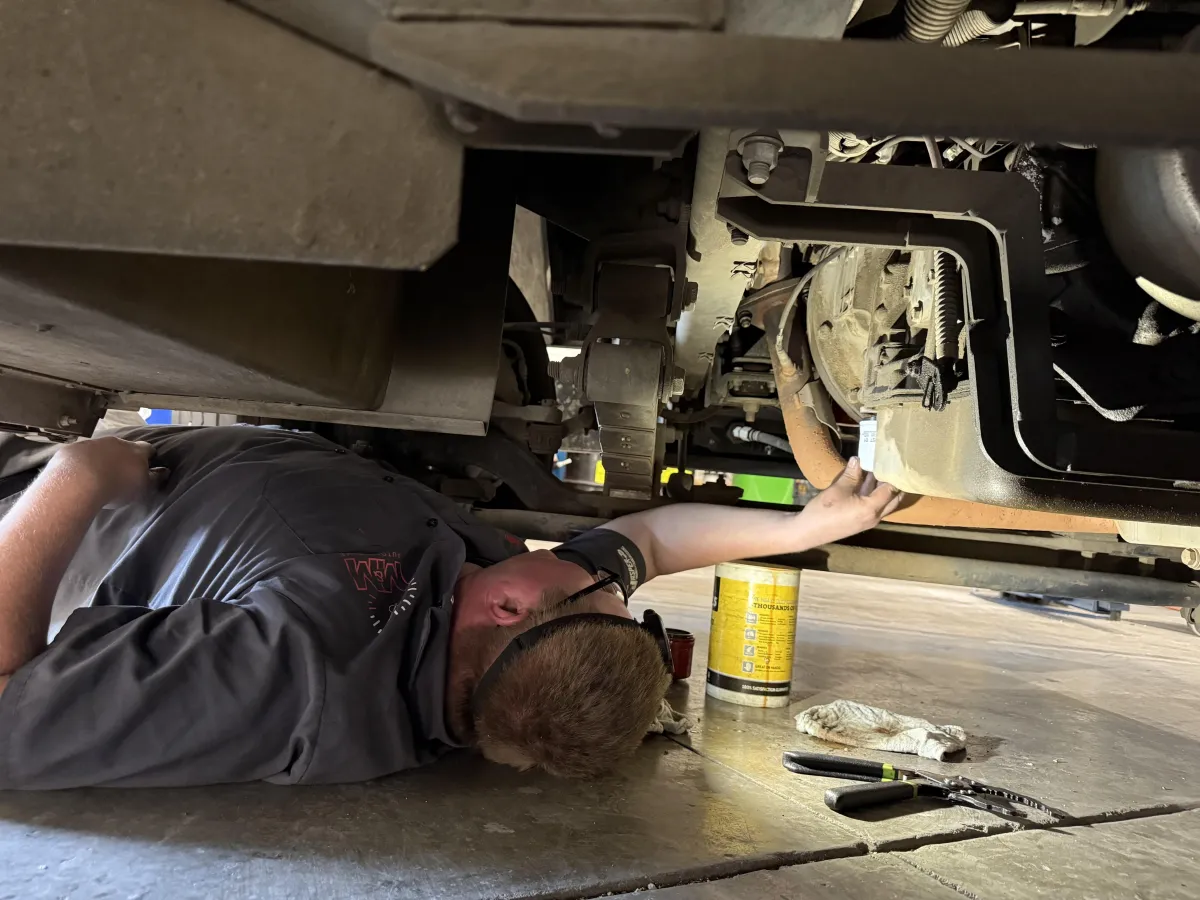
OIL & FLUID CHANGES
Our technicians use factory oil and fluids tailored to your car's specific needs, ensuring optimal performance and longevity. Making sure your vehicle runs smoothly.
Mechanical Repairs
We handle everything from engine repairs and transmission services to brake adjustments and electrical system troubleshooting. Making sure the right issue gets resolved. Also providing you with the best information that is wrong with your vehicle.
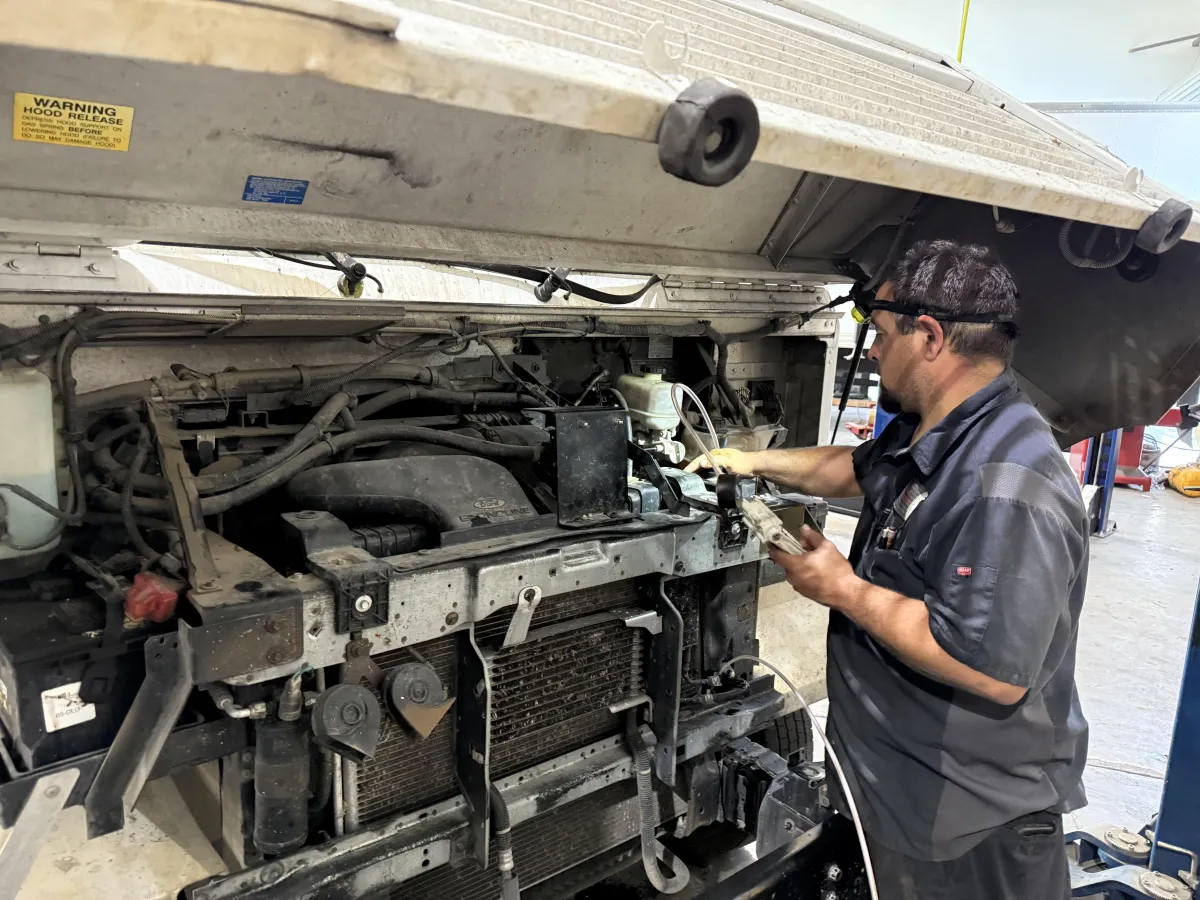
Mobile Repair
On the road repair. Stuck on the side or just need a look over we got you covered. Anywhere located near Modesto, Merced, Stockton, and much more. We will be there to help you with any issues just contact us we will be gladly to help you or provide our excellence services for your need.
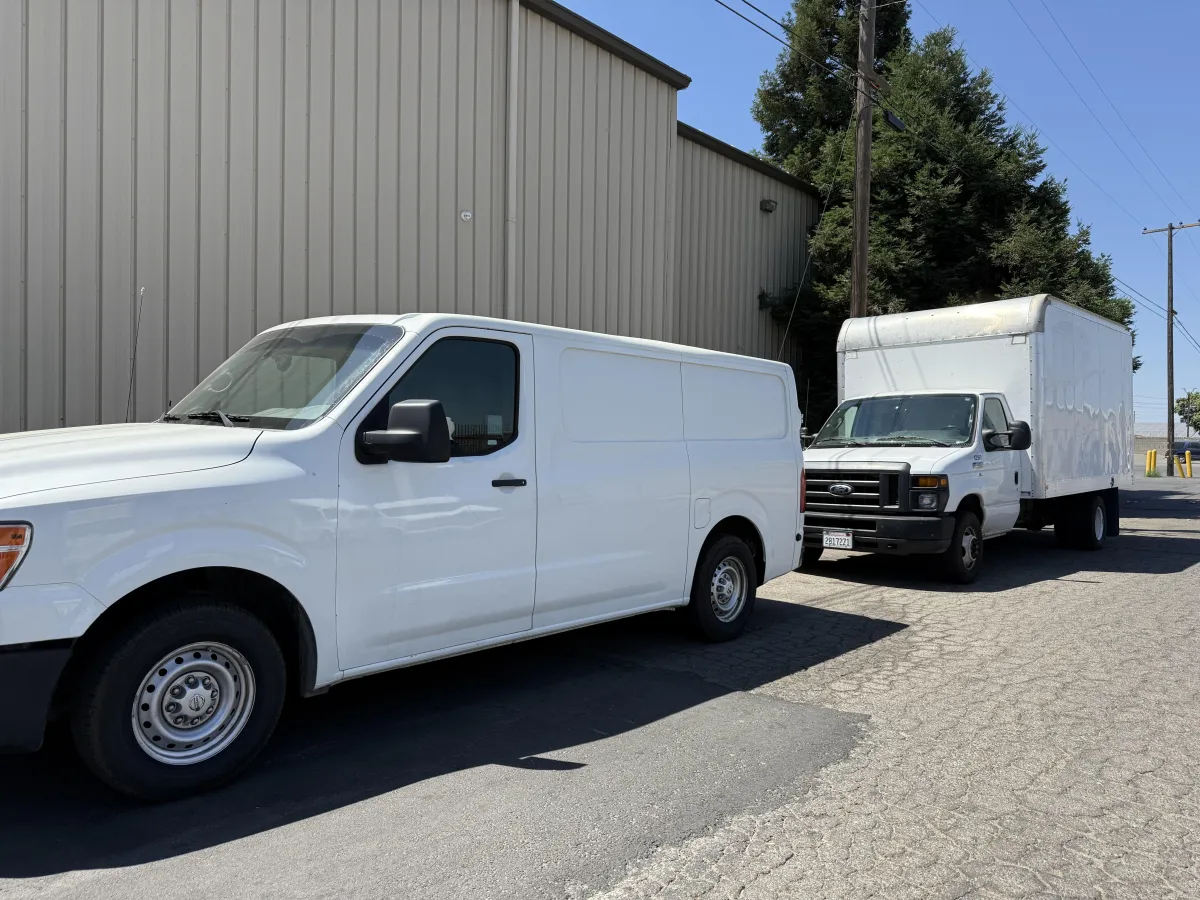
Why should you consider us?
When it comes to maintaining and repairing your vehicle our priority is to make sure you are back on the road safely. Thats, we have many years of experience in helping not only to any customer that walks in but also to our fleet customers.
Our services and Prices
Diagnostics - $100
(We will provide the issue and results of your vehicle only, with a limited time deal we will cut half of the price of the diagnostic if we service your vehicle on the spot)
Oil Change - $32-$89
(Depending on the size of your vehicle, Not include with quarts of oil and filters)
Tire Installment -$27-$70
(Per install of each tire depending on the size and were located for installation)
Mobile service fee - $60
(Have a flat? Don't worry we got you covered with only $60 per tire change we will get the job done right in front of you; Not include for tires of the size of 11R22.5)
AC Service -$79
(Summer, Winter, and any other weather condition we will recharge your AC for a better cooling tempt to get you back on the road)
Disclaimer: Our Labor cost is ($150 per hour) not including parts or any other installation

REVIEWS
Some of Our Client Reviews
I was referred to M&M by a friend and I can see why, the office staff were very nice with great follow up and offered to drive me to my office. most importantly the cost for my brakes and rotors were half of my BMW dealership!
- Don Rose
(Google Review)
Love this place!!! I’ve been coming here for years!! I always get great service, recommendations for replacements, warranty info, and good prices. Great staff and knowledgeable mechanics always! Make M&M your automotive home!!
- Annmarie Willer
(Google Review)
I recently had my delivery van serviced at M & M Automotive, and I highly recommend them. I was impressed by their professionalism and honesty. The staff was incredibly friendly and took the time to explain every detail of the needed repairs. I was provided a clear and fair estimate with no surprise charges. The work was done efficiently, and my delivery van now runs like new. It's rare to find an automotive shop that combines expertise with good customer service. If you're looking for a reliable and trustworthy place for vehicle maintenance or repairs, M & M Automotive is the place to go!
- Apollo Transportation
(Google Review)
FAQS
What are the main differences between fleet vehicle repair and consumer vehicle repair?
Fleet vehicle repair often involves maintaining a large number of vehicles for businesses, which requires scheduling regular maintenance to minimize downtime and ensure all vehicles are operational. Consumer vehicle repair, on the other hand, typically deals with individual vehicles brought in for service as needed. Fleet services might also include customized maintenance plans, priority service, and detailed reporting to help manage the fleet efficiently.
How can regular maintenance benefit my fleet vehicles?
Regular maintenance is crucial for fleet vehicles as it helps prevent breakdowns, extends the life of the vehicles, and ensures they operate safely and efficiently. Scheduled maintenance can include oil changes, brake inspections, tire rotations, and more. Keeping up with regular maintenance reduces the risk of unexpected repairs and helps manage repair costs over time.
What should I look for when choosing an auto repair facility for my fleet?
When selecting an auto repair facility for your fleet, consider factors such as their experience with fleet vehicles, the range of services offered, availability of priority service, and the ability to provide detailed maintenance reports. It's also important to check their reputation for reliability and quality of service, as well as their capability to handle the specific types of vehicles in your fleet.
The Mechanics
MEET WITH EXPERIENCED & PROFESSIONAL
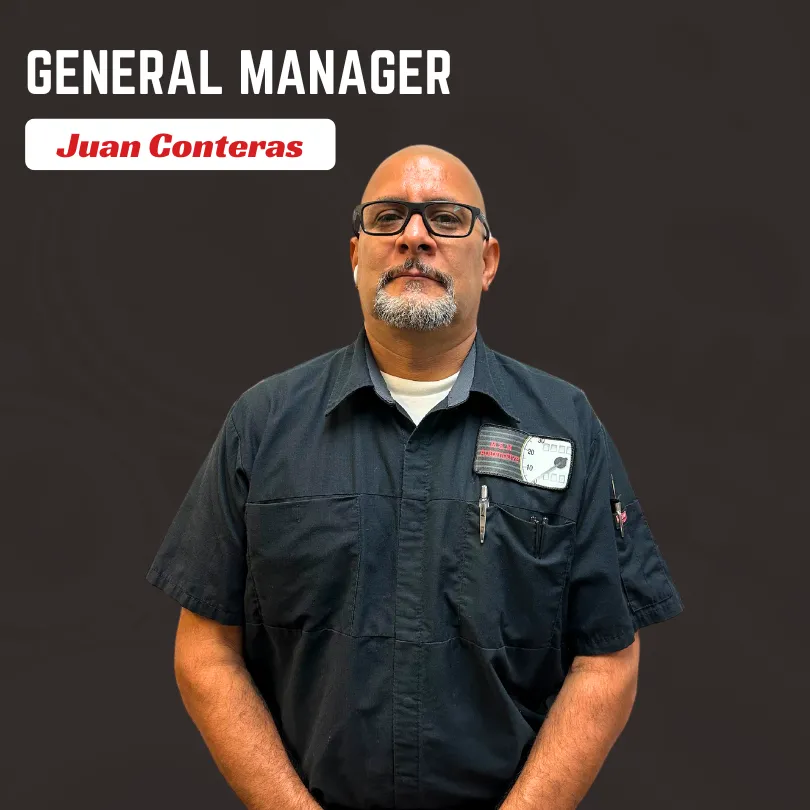
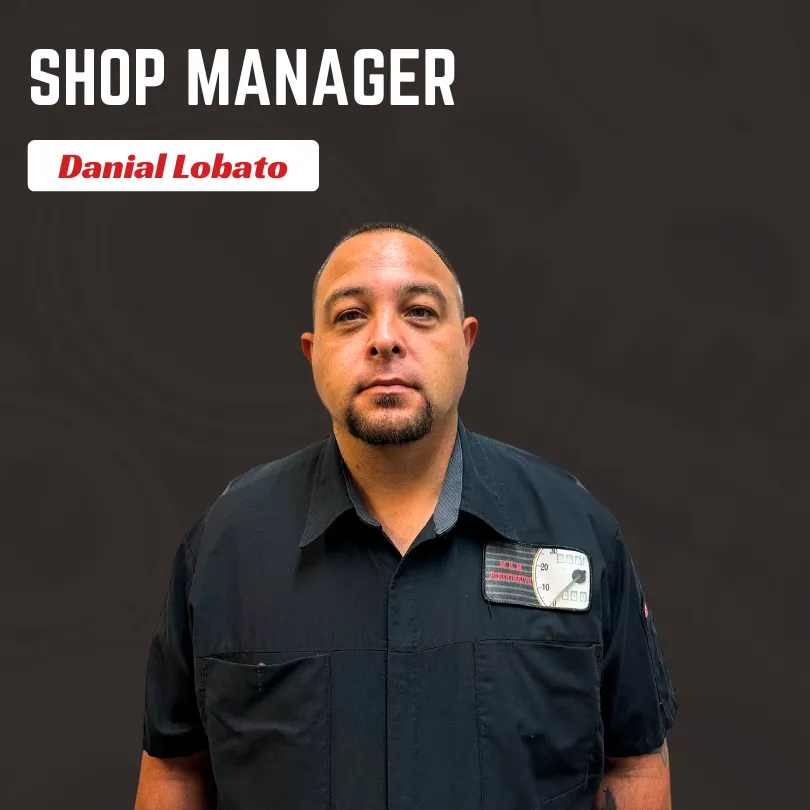
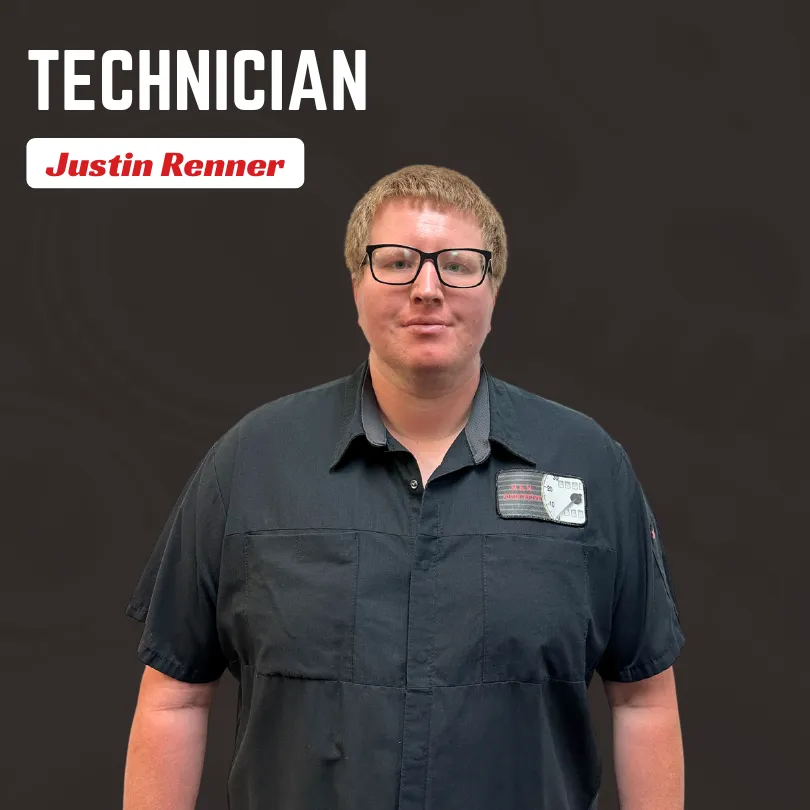
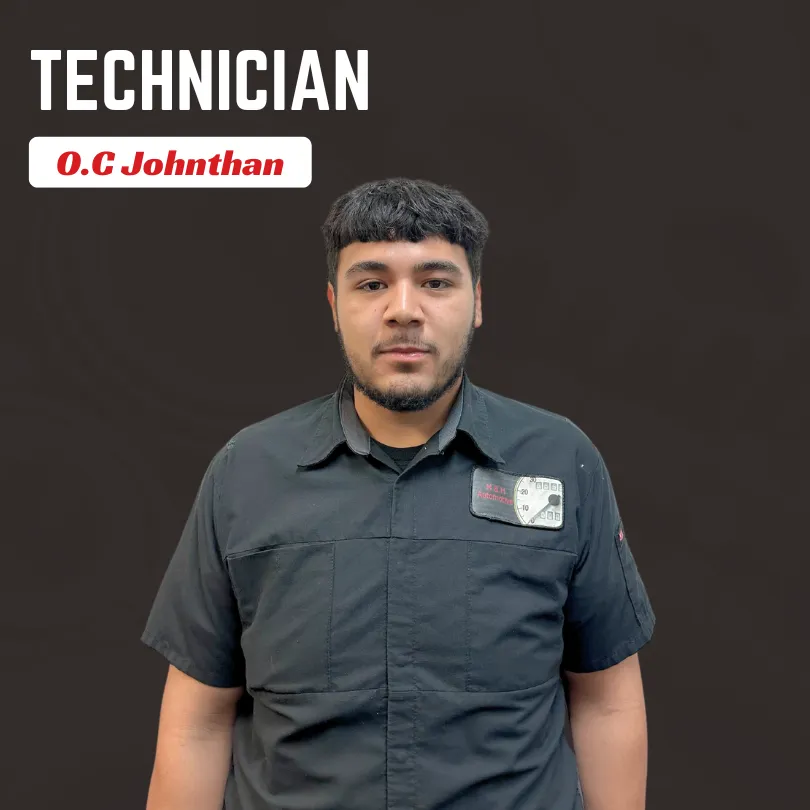
Other honorable Mechanics:
Cameron Carter
Levi Zuniga
Our Office Specialists:
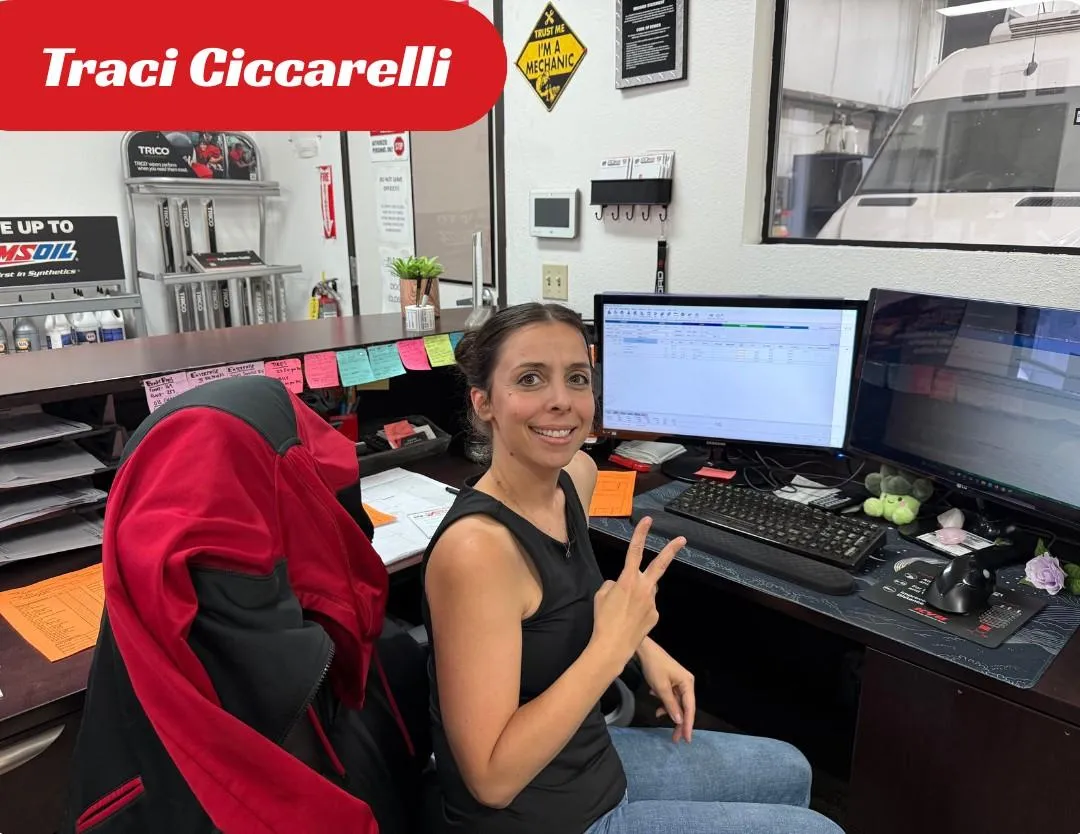
Service Writer / Parts
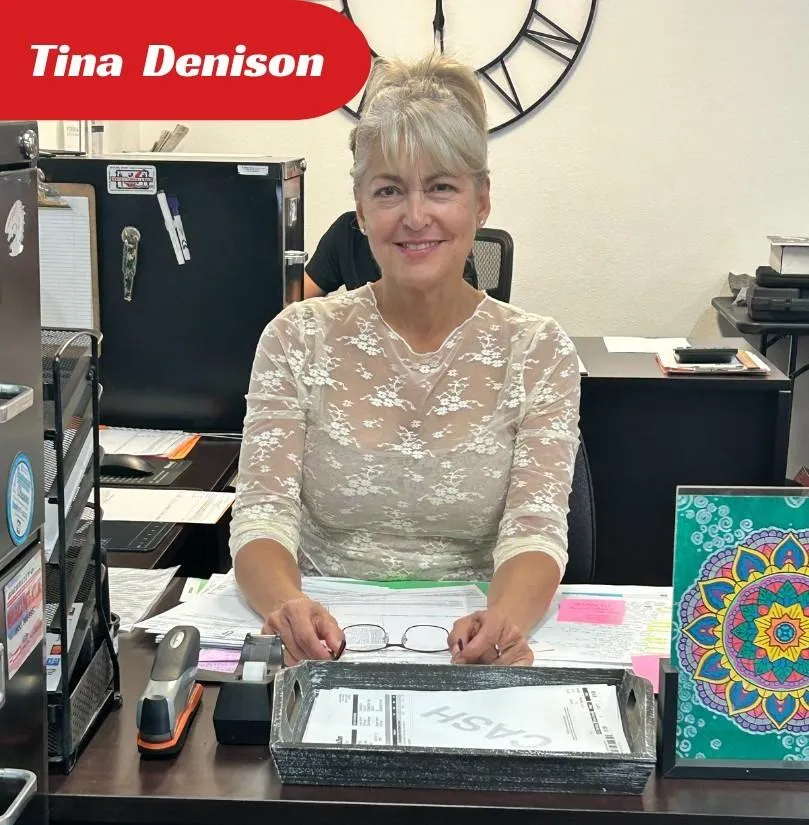
Office Manager / Accounts
Contact Information